Adhesive backed foam padding is a versatile and practical tool in home improvement projects. Its unique properties make it an essential material for a variety of applications, from soundproofing to cushioning. With an array of thicknesses and densities, adhesive foam is ideal for both DIY enthusiasts and professional contractors. In this article, we will explore the top five uses for adhesive backed foam padding in home improvement, providing valuable insights and examples to inspire your next project.
1. Soundproofing Spaces

One of the most popular uses for adhesive backed foam padding is soundproofing. Whether you’re trying to keep noise out or prevent sound from escaping, foam padding can be a cost-effective solution.
Foam panels are commonly used in:
- Home Theaters: Acoustic foam can significantly enhance the audio experience by reducing echoes and improving sound quality. Many home theater enthusiasts use foam tiles on walls to absorb sound waves.
- Recording Studios: Musicians and podcasters often install foam padding to create a controlled sound environment. A study by the National Association of Home Builders found that soundproofing can increase the resale value of a home.
- Bedrooms and Nurseries: Foam padding helps maintain a quiet atmosphere for better sleep. Parents often use it to soundproof nurseries against household noise.
In a case study conducted by a major soundproofing company, homeowners reported up to a 50% reduction in noise levels after installing acoustic foam panels, showcasing its effectiveness.
2. Protecting Surfaces
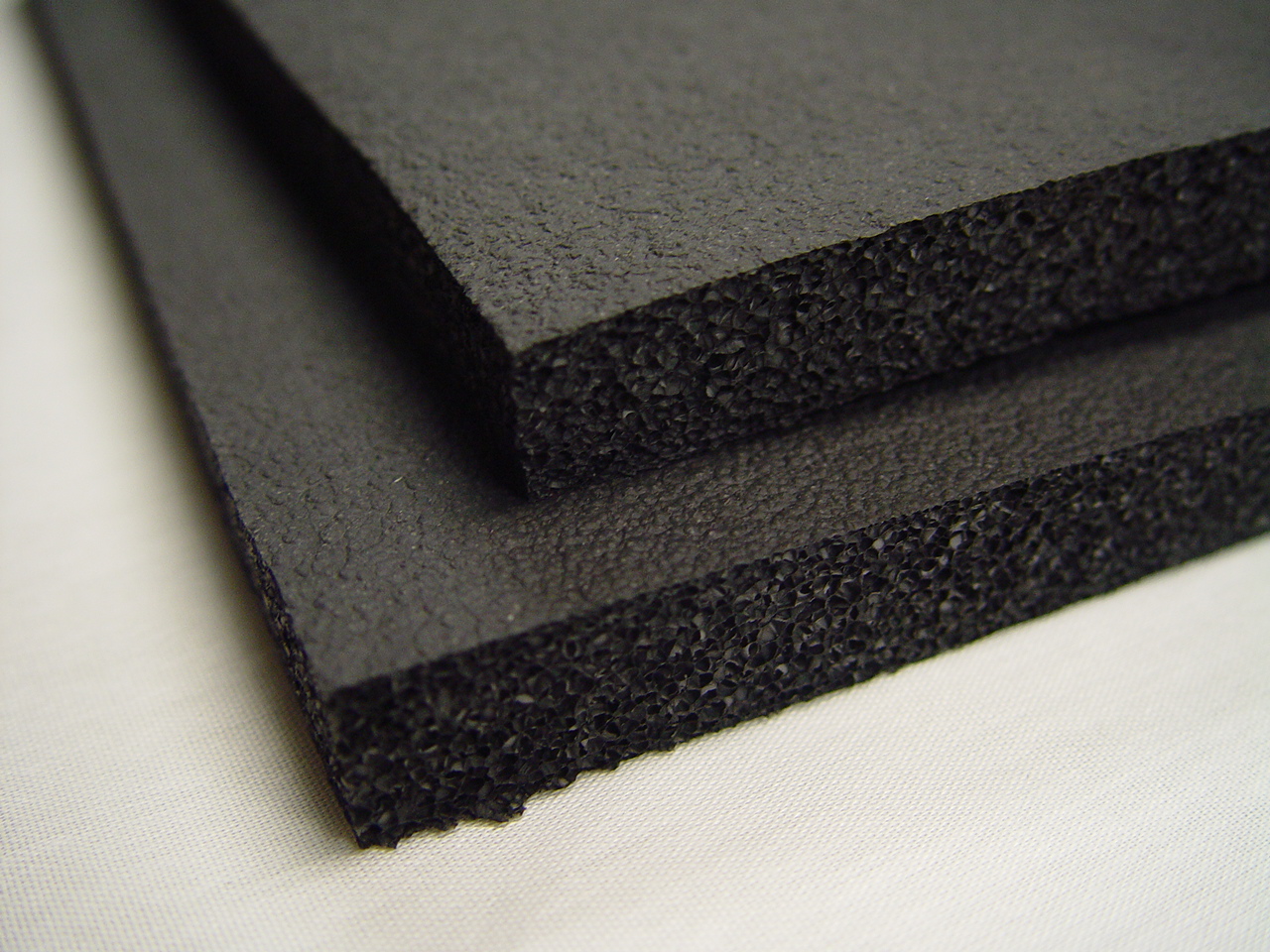
Adhesive backed foam padding is also effective for protecting various surfaces in your home. It can be used to cushion items and prevent damage during everyday use.
Here are some common applications:
- Furniture Feet: Attaching foam pads to the bottom of furniture legs can prevent scratches on hardwood floors and tile surfaces. It also helps to minimize noise when moving chairs and tables.
- Appliance Protection: Installing foam padding on the edges of countertops can protect both the counter and appliances, such as mixers and blenders, from dents and scratches.
- Wall Protection: Foam can be used to line the backs of cabinets or the edges of walls where furniture might bump into them, preventing unsightly damage.
A study by the National Wood Flooring Association found that furniture pads can reduce scratches and wear on floors by more than 70%, making foam padding a wise investment for homeowners.
3. Insulating Windows and Doors
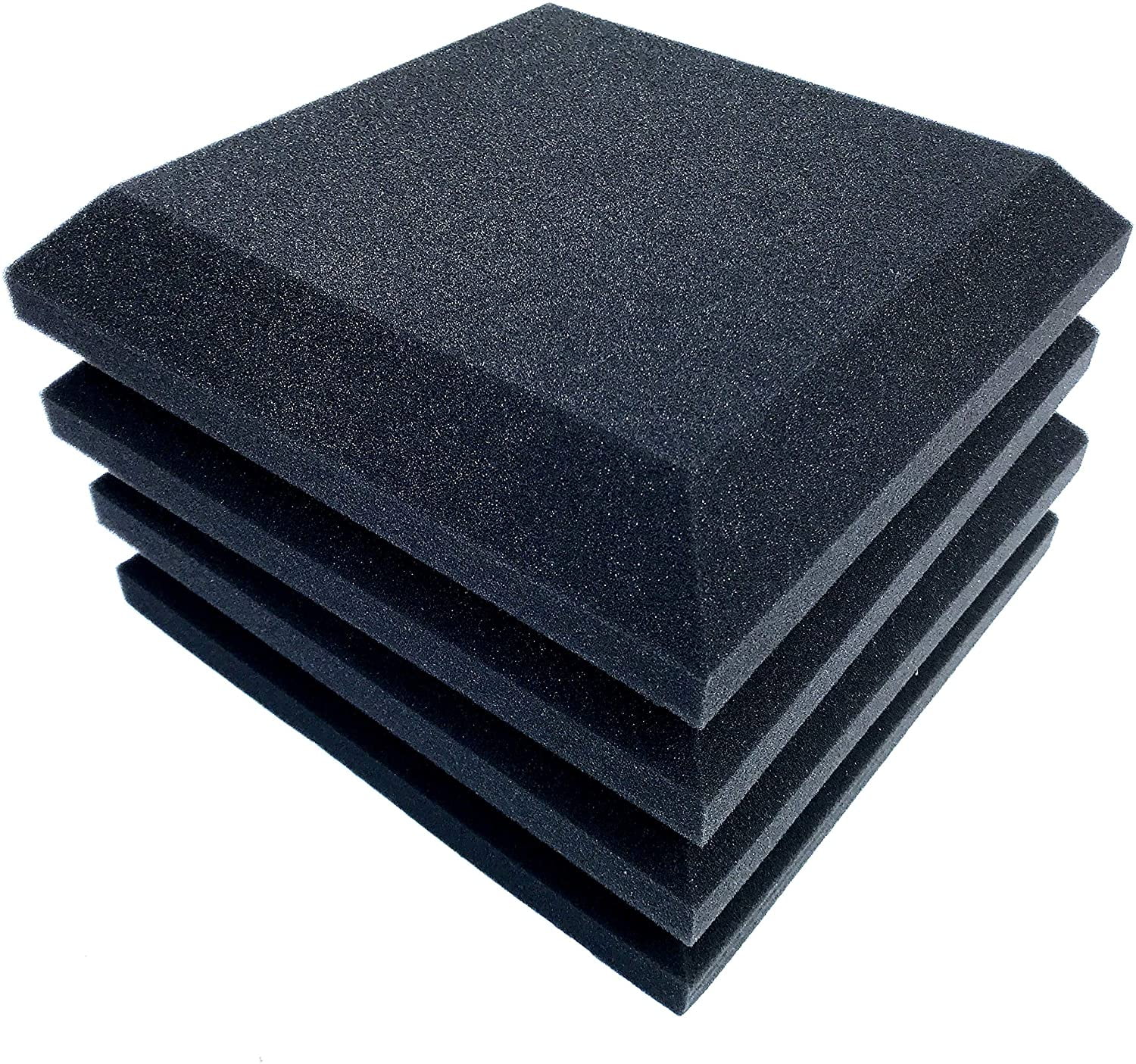
Adhesive backed foam padding is an excellent choice for improving insulation around windows and doors. Proper insulation helps reduce energy costs and maintain a comfortable indoor environment.
Consider these benefits of using foam for insulation:
- Air Sealant: Foam padding can effectively seal gaps and cracks, preventing drafts from entering your home. This reduces heating and cooling costs, as reported by the U.S. Department of Energy.
- Noise Insulation: In addition to thermal insulation, foam padding can also help reduce outside noise, making your home more peaceful.
- Easy Installation: Unlike traditional insulation materials, adhesive backed foam is easy to cut and apply, making it accessible for DIY projects.
One homeowner reported saving up to 20% on their energy bill after installing foam insulation around their windows, demonstrating the value of this application.
4. Cushioning and Padding for Tools
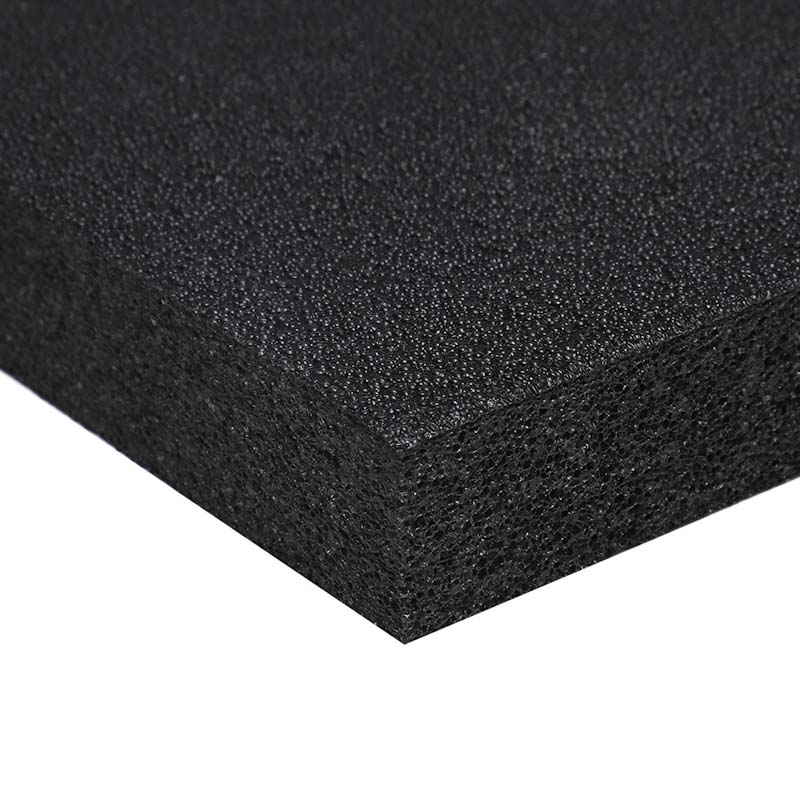
In the realm of home improvement, tool safety and functionality are paramount. Adhesive backed foam padding serves as an effective cushioning solution for various tools and equipment.
Here are some specific uses:
- Toolboxes: Lining toolboxes with foam padding can prevent tools from shifting during transport, reducing wear and tear.
- Power Tools: Adding foam padding to the surfaces of workbenches can protect both the tools and the surfaces from damage during use.
- Storage Racks: Foam padding can be used on the shelves of storage racks to provide cushioning for delicate items.
According to a survey by the Power Tool Institute, 70% of users believe that protective padding enhances the lifespan of their tools, making foam padding an essential component for tool care.
5. Creative DIY Projects
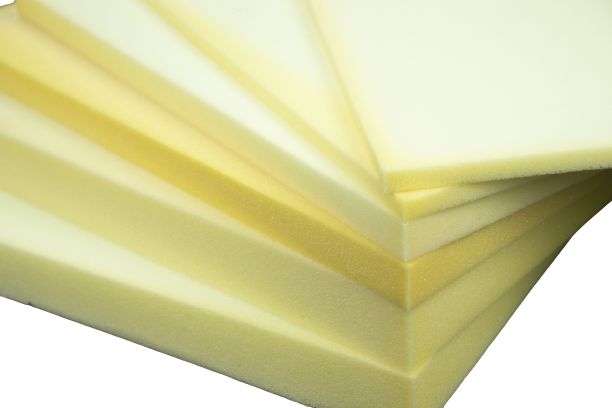
Finally, adhesive backed foam padding opens up a world of creative possibilities for DIY projects. Its versatility allows homeowners to experiment with design and functionality.
Consider these innovative applications:
- Custom Wall Art: Foam can be cut into various shapes and sizes to create 3D wall art or decorative accents.
- Personalized Coasters: Create custom coasters by cutting foam into desired shapes and sizes, adding a personal touch to your home décor.
- Children’s Play Areas: Use foam padding to create safe play areas for children, cushioning floors and walls from potential bumps and falls.
A local DIY enthusiast shared their experience of transforming an ordinary room into a vibrant space using foam padding for both function and style, demonstrating the material’s potential for creativity.
Adhesive backed foam padding is a multifaceted material that plays a significant role in home improvement projects. From soundproofing and surface protection to insulation, tool cushioning, and creative DIY endeavors, its applications are vast and varied. The benefits of using adhesive foam not only enhance the functionality of your home but also contribute to energy savings and aesthetic improvements.
By incorporating foam padding into your home improvement projects, you can achieve a higher level of comfort, safety, and style. The ease of installation and versatility make it a go-to material for both seasoned professionals and DIY novices. As demonstrated through case studies and statistics, the advantages of adhesive backed foam padding are not just theoretical; they translate into tangible benefits that can enhance your living space.
In summary, whether you are looking to soundproof a room, protect your furniture, improve insulation, safeguard your tools, or embark on a creative project, adhesive backed foam padding is an invaluable addition to your home improvement toolkit.